Biomassters Corporation
From residuals to renewable value.
Being developed as a biomass conversion enterprise, producing renewable products for clean energy, engineered materials, and circular manufacturing.

Underused materials still hold value.
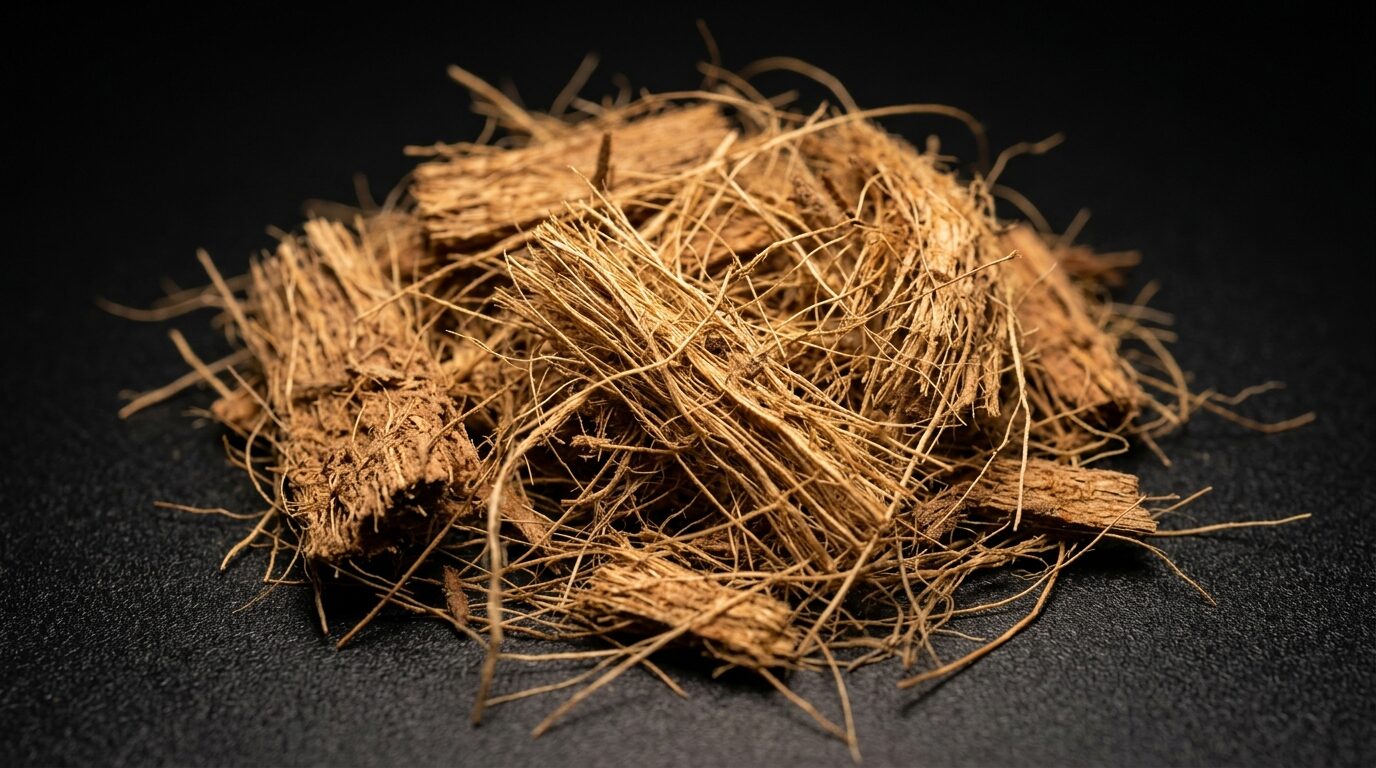
Coconut processing produces husks, coir and other biomass residuals.
Many of these materials are discarded, inefficiently handled or sold in lower-value forms despite their potential use across agriculture, industry, construction and environmental markets.
Keeping resources in productive use.
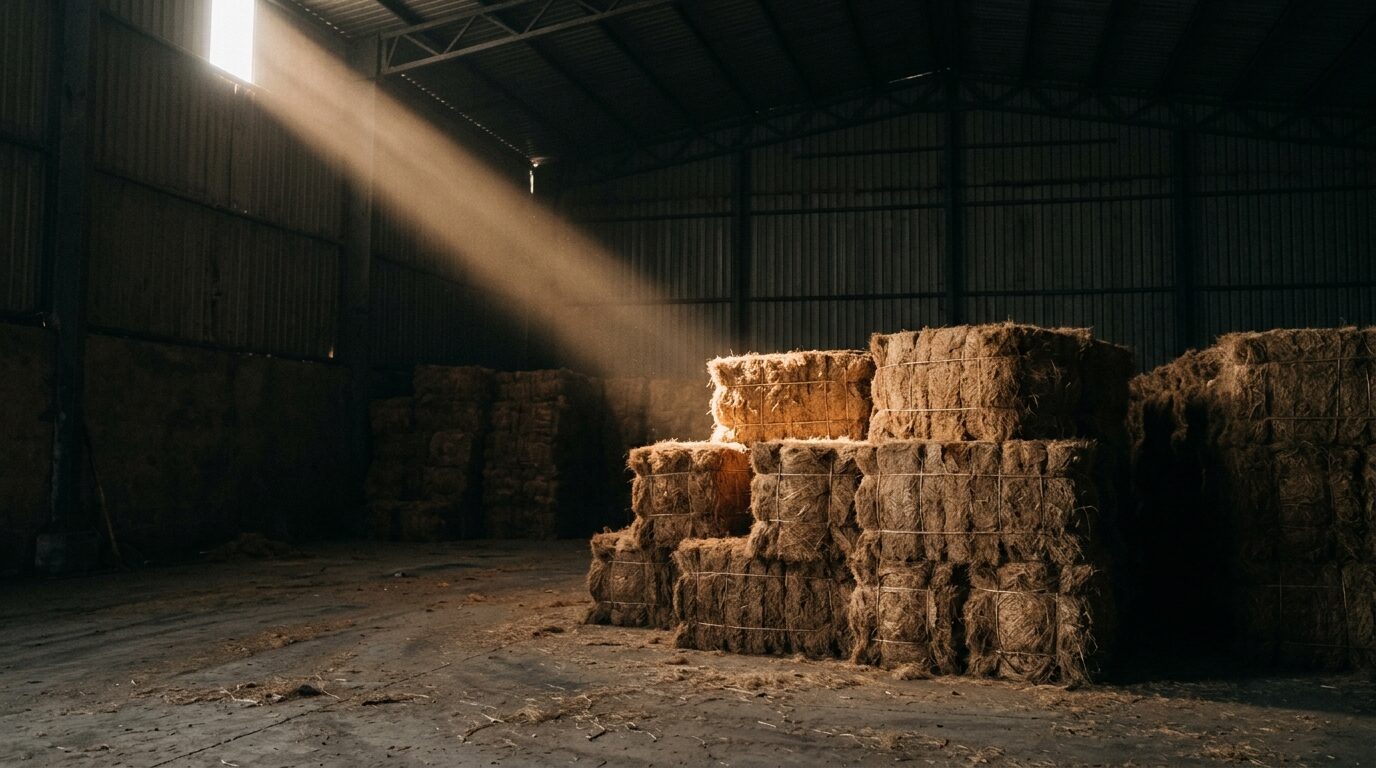
Biomassters is designed to aggregate and process coconut-based residual materials into useful commercial products.
Its planned model combines feedstock recovery, disciplined processing, product quality and market development.
Potential Product Areas
Where the platform is being built.
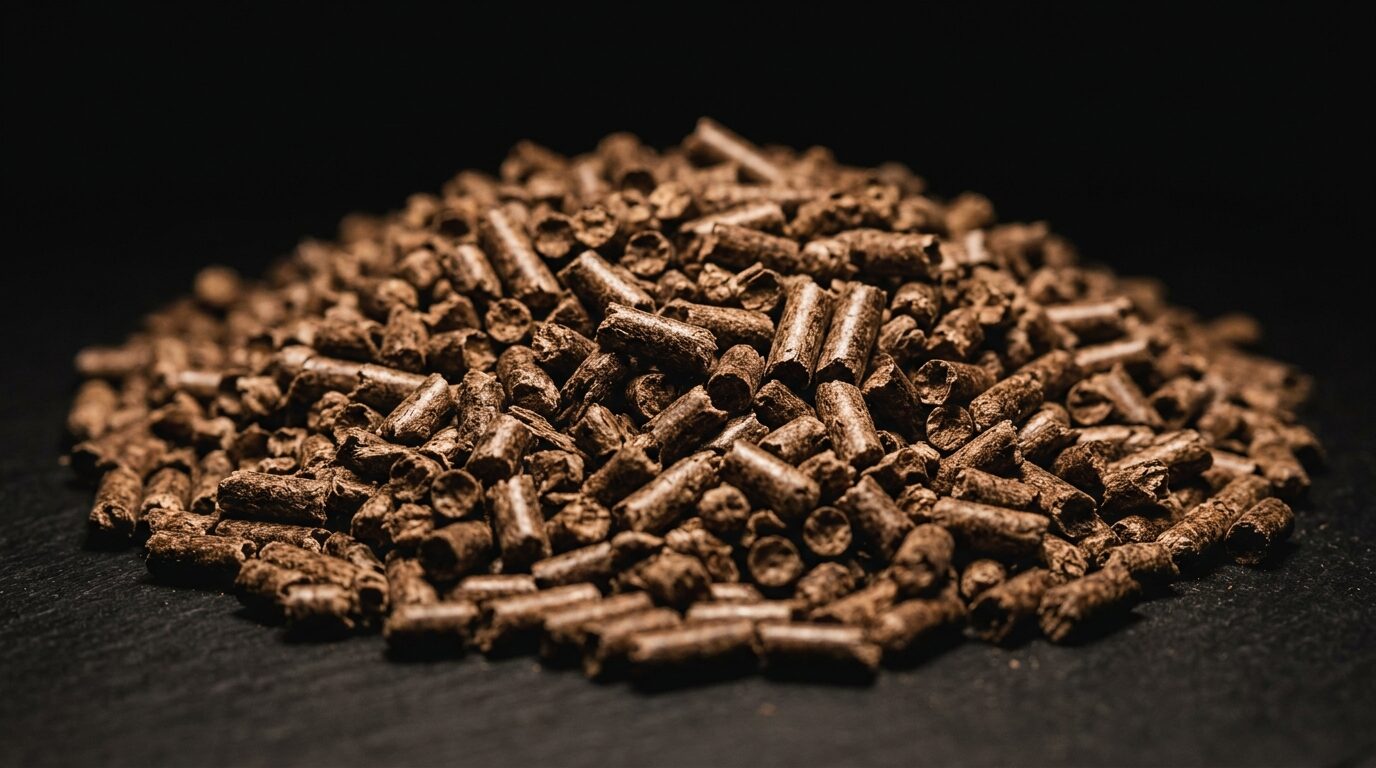
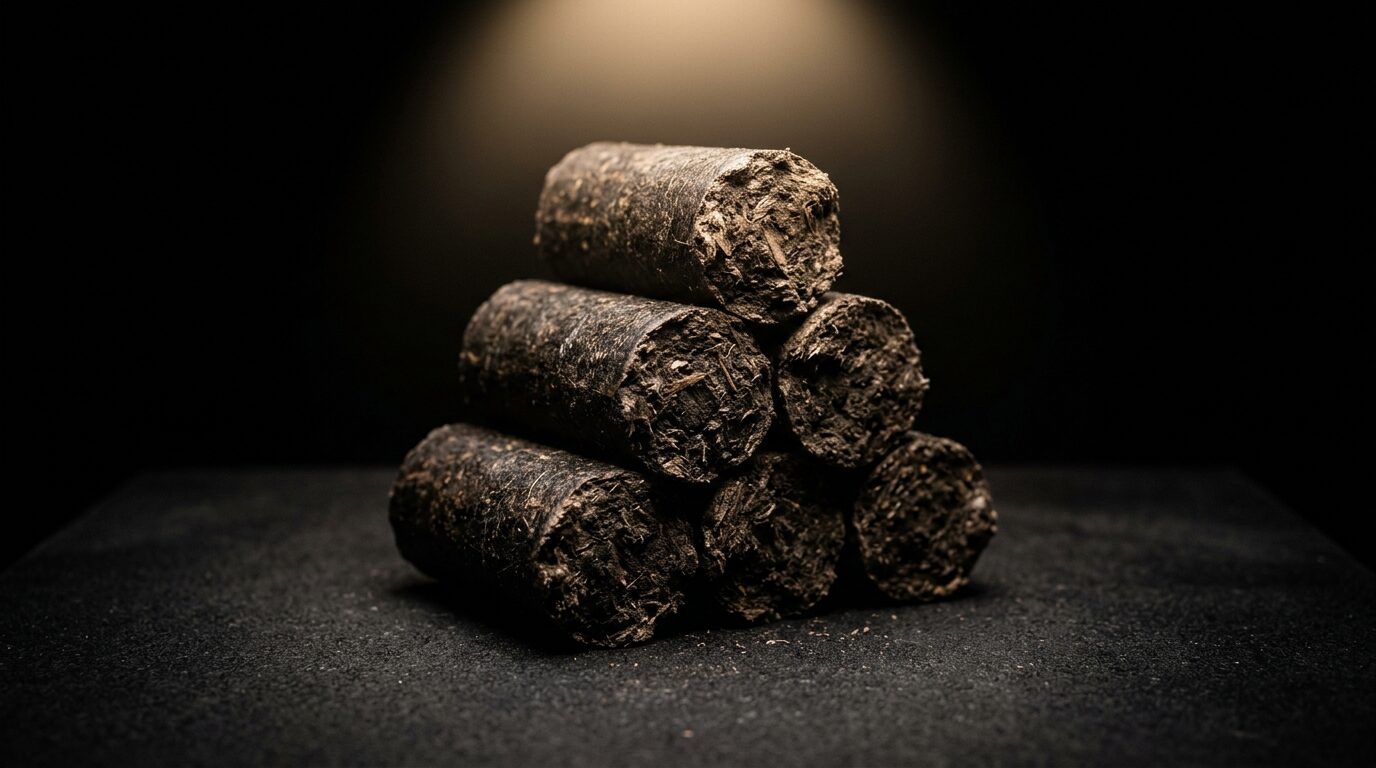
Compressed pellets and briquettes made from agricultural residue, burned as a renewable fuel.

Rope, twine and textiles spun from coconut husk fibre.

Woven mats and matting made from durable, biodegradable coir fibre.

Coco-peat and similar residues used to improve soil structure and water retention.
Additional materials recovered from coconut and agricultural by-products.
How It Is Being Built
Four disciplines, one platform.
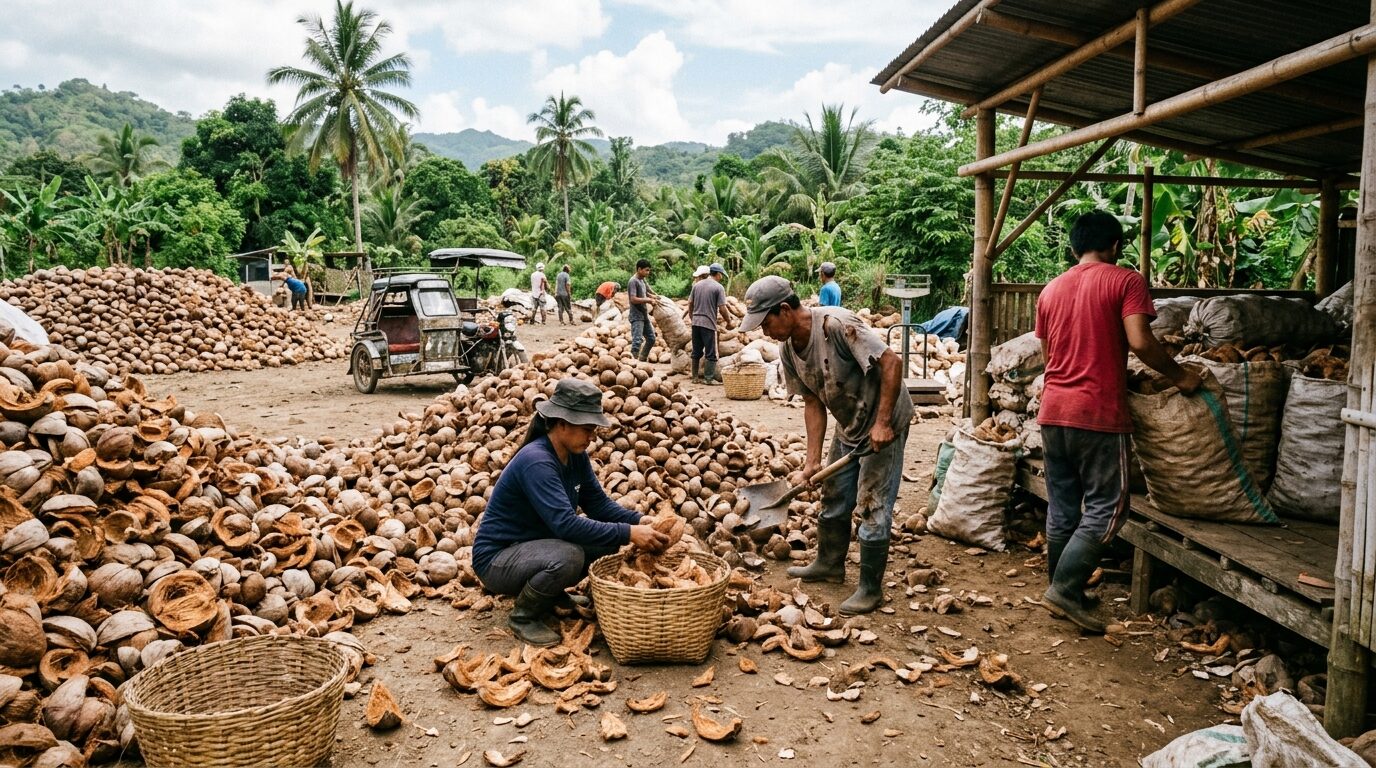
Feedstock Partnerships
Connect with growers, processors, cooperatives and aggregators.
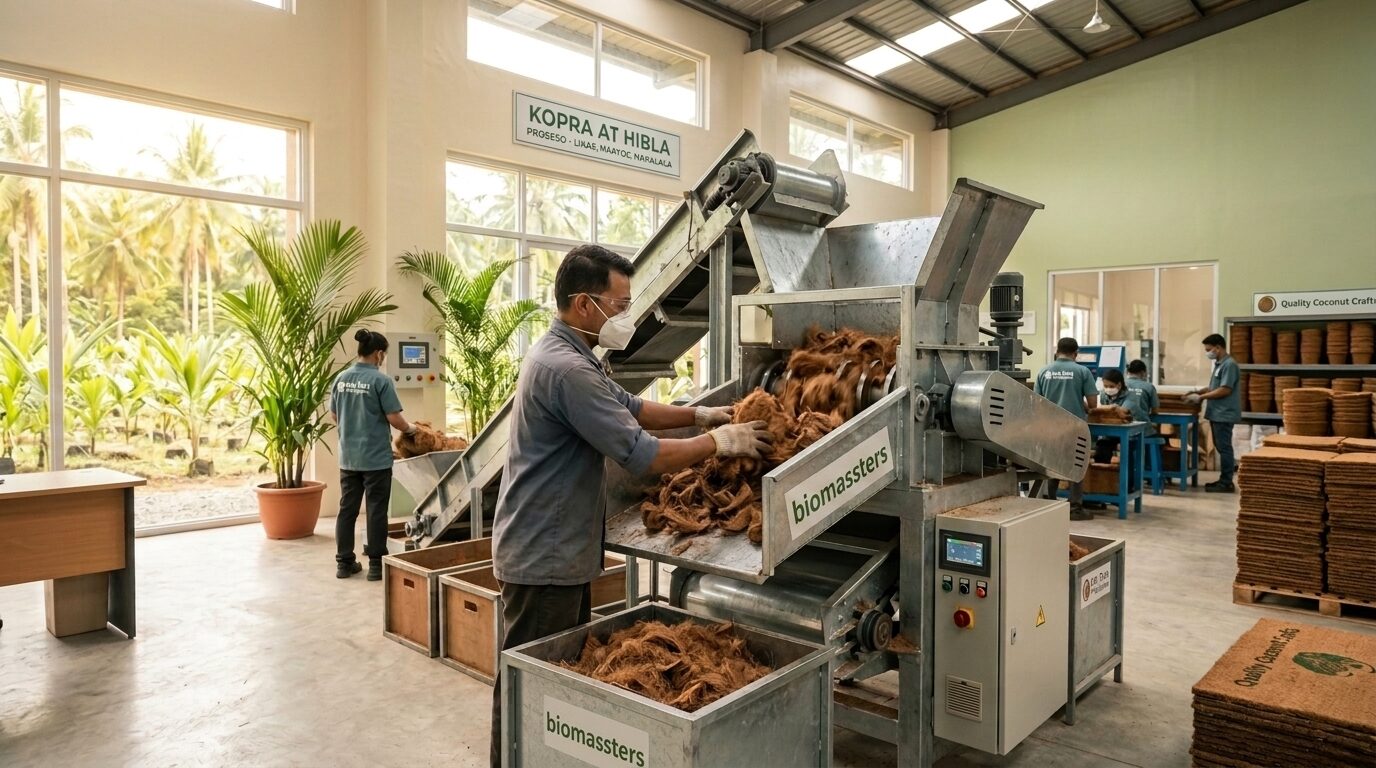
Resource Recovery
Capture value from materials that may otherwise be wasted.
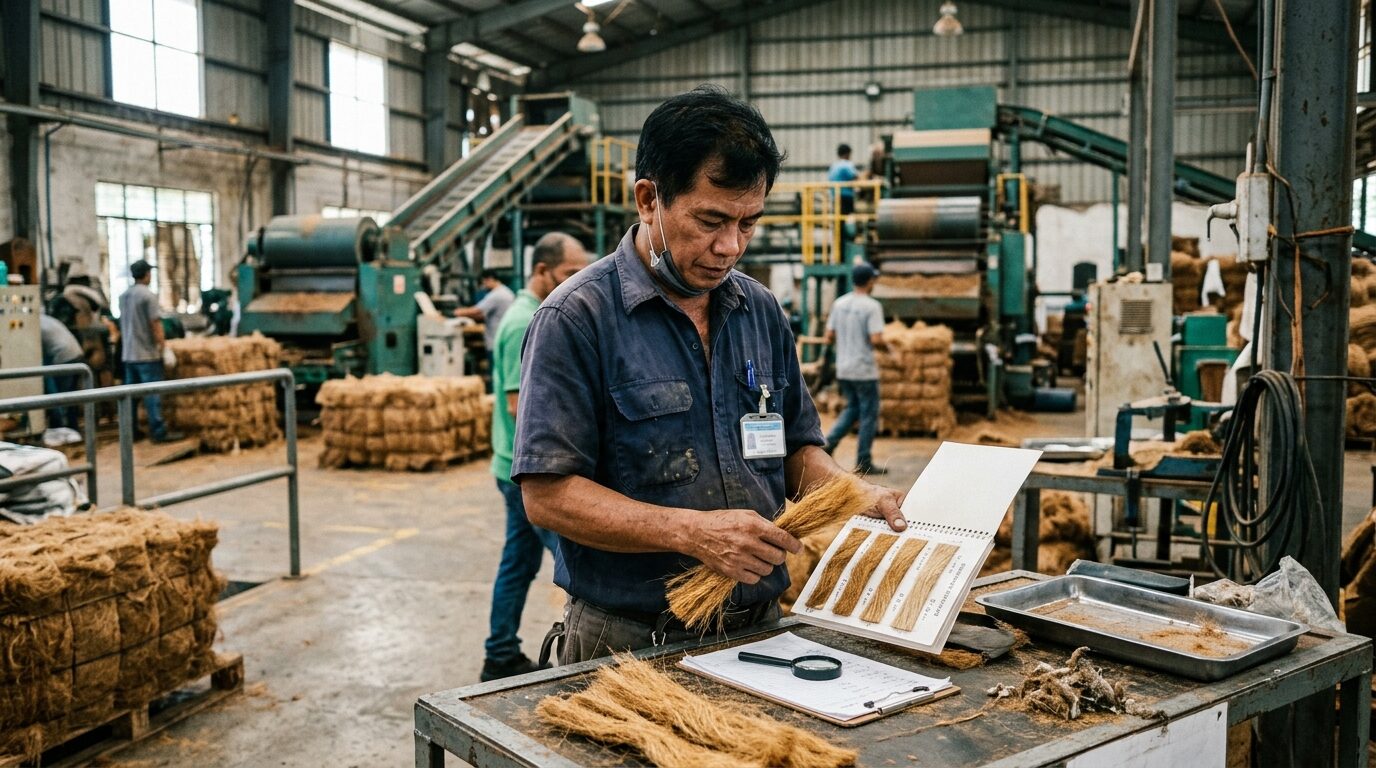
Quality Consistency
Develop specifications suited to commercial and industrial users.
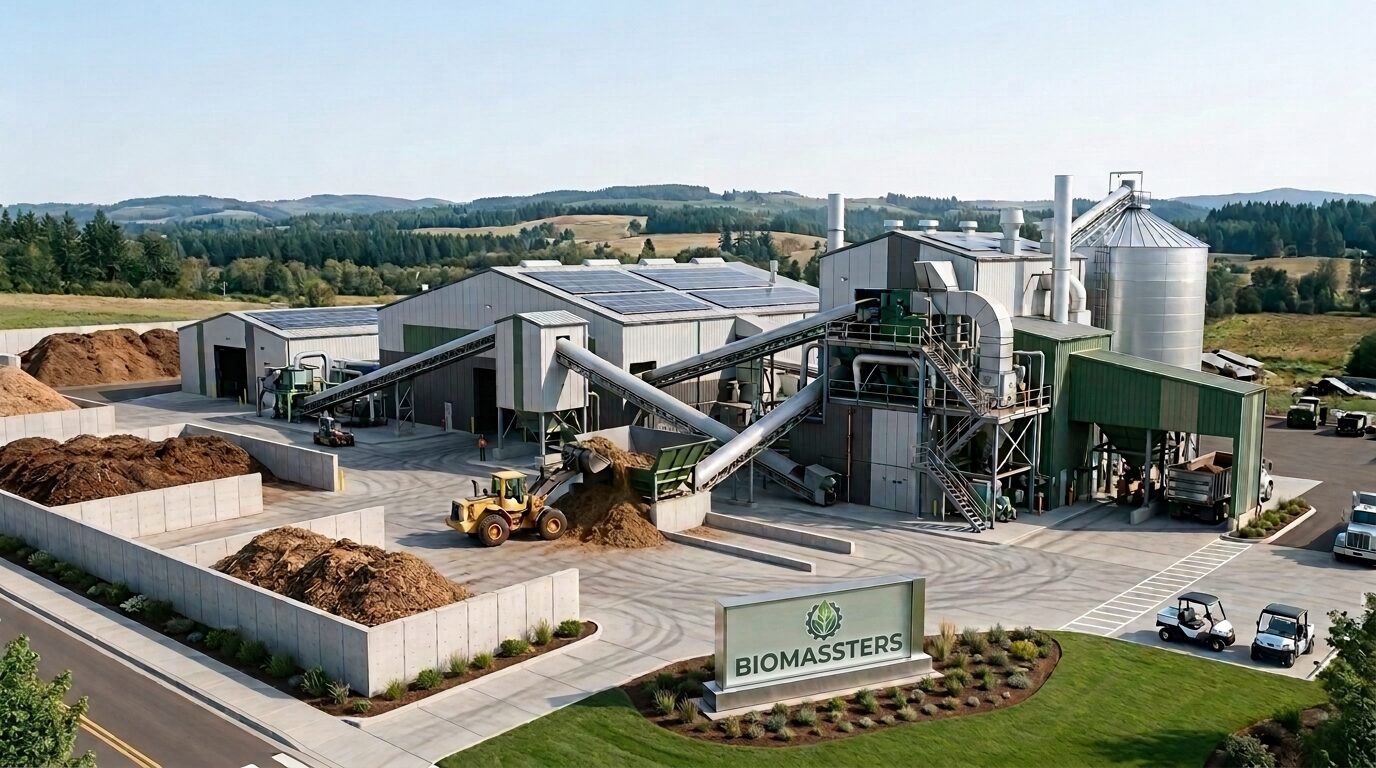
Regional Processing
Process materials closer to their sources where practical.


Planned Footprint
A distributed biomass platform.
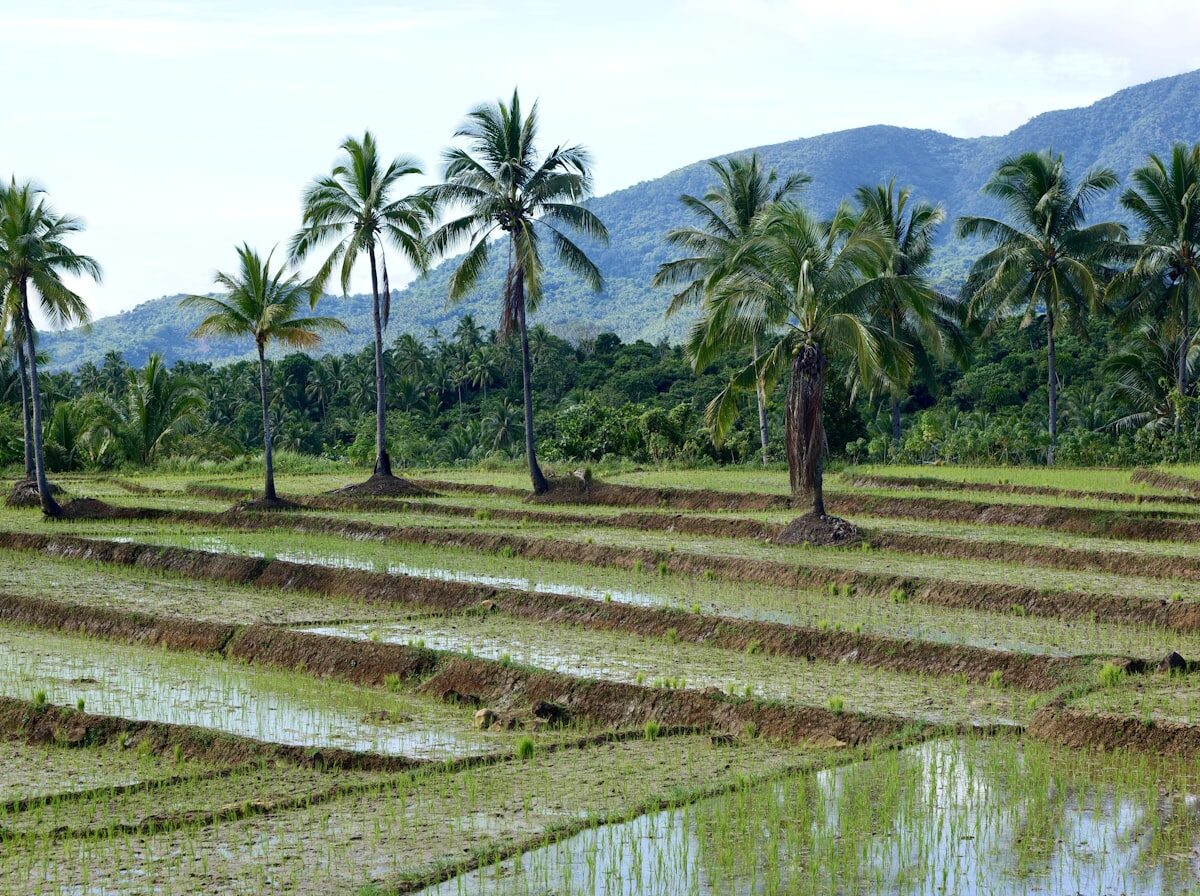
Planned facilities in Quezon, Davao and Palawan will support wider feedstock access and reduce dependence on a single region.
The model is intended to strengthen collection, processing and regional market reach.
Outcomes
- Reduced agricultural wastage
- Additional value from coconut residuals
- Rural livelihood and enterprise opportunities
- Local employment and technical skills
- More responsible resource use

Partner With Biomassters
Turn underused biomass into shared value.
We welcome conversations with growers, cooperatives, technology providers, institutions and customers who share our long-term perspective.
Partner With Biomassters